
Introduction
Installation Instructions are an essential part of using any software, hardware, or digital tool correctly. Without clear Installation Instructions, even the best product can feel confusing and frustrating. Many beginners give up simply because they do not understand where to start or what steps to follow. That is why well-written Installation Instructions make a big difference in user experience and success.
In today’s digital world, Installation Instructions are used everywhere. From installing mobile apps and computer software to setting up office tools, printers, and smart devices, instructions guide users from start to finish. When instructions are simple and clear, users feel confident. When they are complex, users feel stressed and make mistakes.
This article is written in simple English to help both beginners and intermediate users. It explains what Installation Instructions are, why they matter, and how to follow them step by step. You will also learn about common mistakes, benefits, risks, and expert tips that can save time and effort.
Whether you are installing software for work, setting up a new device at home, or helping others with technical tasks, this guides will support you. By the end of this article, you will understand Installation Instructions clearly and be able to follow them without confusion. Let us begin with the basics and build your confidence step by step.
What is Installation Instructions?
Installation Instructions are written or visual guidelines that explain how to set up a product or system correctly. These instructions show users what actions to take, in what order, and with what tools. The goal is to ensure smooth and error-free installation.
Installation Instructions can be found in many forms. Some are printed manuals, while others are digital guides, videos, or on-screen prompts. For software, Installation Instructions usually include downloading files, running setup programs, and adjusting settings. For hardware, they may include connecting cables, assembling parts, and powering on devices.
Clear Installation Instructions are designed for different skill levels. Beginners need simple language and clear steps. Intermediate users may prefer more detailed explanations and optional settings. Good instructions consider both types of users.
In short, Installation Instructions act like a roadmap. They guide users from the starting point to a fully working product. Without them, users are left guessing, which often leads to errors or failure.
Why is Installation Instructions Important?
Installation Instructions are important because they prevent problems before they happen. When users follow correct steps, they reduce the risk of errors, damage, or wasted time. This is especially important for beginners who may feel unsure.
Another reason Installation Instructions matter is safety. Some installations involve electricity, system files, or sensitive data. Incorrect steps can cause data loss or hardware damage. Clear instructions help users stay safe.
Installation Instructions also improve user satisfaction. When a product is easy to install, users feel happy and confident. This builds trust and encourages long-term use. For businesses, good instructions reduce support requests and complaints.
Finally, Installation Instructions save time. Instead of searching for help, users can solve issues themselves. This makes the entire process smoother and more efficient for everyone involved.
Detailed Step-by-Step Guide
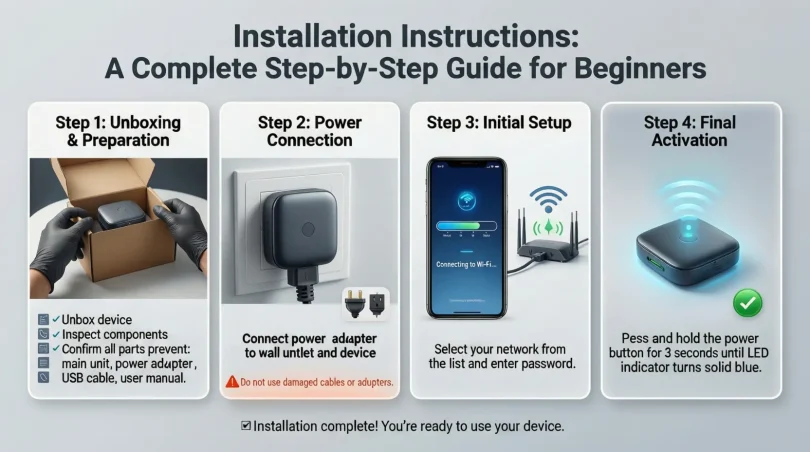
Step 1: Preparation Before Installation
Before starting, preparation is very important. Read the Installation Instructions fully at least once. This helps you understand the process and avoid surprises.
Make sure your system meets the requirements. For software, check operating system version, storage space, and memory. For hardware, ensure you have the required tools and space.
Backup important data if needed. This step protects you from unexpected problems during installation.
Step 2: Download or Unpack the Product
If you are installing software, download it from the official source. Save the file in an easy-to-find location. Avoid interrupting the download process.
For hardware, carefully unpack all components. Check the list in the Installation Instructions to ensure nothing is missing. Keep packaging materials until installation is complete.
Step 3: Start the Installation Process
Open the installation file or begin assembly as instructed. Follow each step in order. Do not skip steps, even if they seem unnecessary.
For software, run the installer and allow necessary permissions. For hardware, connect parts gently and securely.
Step 4: Configure Settings
Many Installation Instructions include configuration steps. These may involve choosing language, location, or preferences. Read each option carefully before selecting.
Use default settings if you are unsure. Advanced settings can usually be changed later.
Step 5: Complete and Test
Finish the installation and restart the system if required. Testing is an important step. Open the software or power on the device to confirm it works correctly.
If something does not work, review the Installation Instructions again. Many issues come from missed steps.
Benefits of Installation Instructions
- Helps users complete installation without confusion
- Reduces errors and technical problems
- Saves time and effort
- Improves safety during setup
- Builds confidence for beginners
- Reduces need for technical support
Disadvantages / Risks
- Poorly written instructions can confuse users
- Missing steps may cause installation failure
- Technical language may overwhelm beginners
- Incorrect instructions can lead to damage
- Long instructions may be ignored
Common Mistakes to Avoid
One common mistake is skipping steps. Many users assume they know what to do and ignore the Installation Instructions. This often leads to errors.
Another mistake is rushing the process. Installation takes time, and rushing increases the chance of mistakes. Always follow the steps calmly.
Ignoring system requirements is also a problem. Installing software on an unsupported system can cause crashes or poor performance.
Finally, not reading warnings can be risky. Warnings exist to protect your system and data.
FAQs
What should I do if Installation Instructions are unclear?
If Installation Instructions are unclear, read them again slowly. Look for diagrams or examples. If confusion remains, restart the process and follow each step carefully.
Can I skip steps if I am experienced?
Even experienced users should follow Installation Instructions. Skipping steps can cause hidden problems that appear later.
Why does installation fail even after following instructions?
Failure can happen due to system issues, missing requirements, or corrupted files. Review the Installation Instructions and check your system.
Are Installation Instructions different for each system?
Yes, Installation Instructions may vary depending on operating system, device type, or version. Always use the correct guide.
Should I keep Installation Instructions after setup?
Yes, keep them for future reference. They are useful for troubleshooting or reinstalling.
How can beginners feel confident during installation?
Beginners should read Installation Instructions fully, take notes if needed, and follow steps slowly. Confidence grows with practice.
Expert Tips & Bonus Points
Always read Installation Instructions before starting. This simple habit prevents many issues. Keep your system updated before installation to avoid compatibility problems.
Use a checklist to track completed steps. This helps you stay organized. If instructions include screenshots, compare them with your screen.
Take breaks if the process feels long. A calm approach leads to better results. Finally, store Installation Instructions safely for future use.
Conclusion
Installation Instructions play a vital role in ensuring that products work as intended. They guide users through each step, reduce confusion, and prevent costly mistakes. For beginners, clear Installation Instructions build confidence and make technology easier to use. For intermediate users, they provide structure and advanced options.
Throughout this article, we explored what Installation Instructions are, why they matter, and how to follow them step by step. We also discussed benefits, risks, common mistakes, and expert tips to improve your installation experience. These insights apply to software, hardware, and digital tools alike.
By respecting Installation Instructions and following them carefully, you save time and avoid frustration. You also protect your system and data from unnecessary risks. Remember, successful installation is not about speed but accuracy.
Use this guide as a reference whenever you face a new setup task. With patience and attention, Installation Instructions become your best helper. Over time, you will feel more confident and capable with every installation you complete.